


Yes, a small number of people still inhabit the Atchafalaya Basin, though the vast majority live in surrounding towns and parishes rather than deep inside the swamp.
Welcome to the Atchafalaya River Basin, America’s largest swamp and one of its most ecologically varied regions. With its towering, moss-draped cypress trees, 300 species of birds and 54 species of reptiles and amphibians, this million-acre swath of southern Louisiana showcases a natural bounty and unmistakable splendour that few in the modern world will ever witness.
Great American alligators, with their thick limbs and powerful tails, roam the wetlands, while, underwater, 90 species of fish and shellfish serve as their prey.
Swampers
However, you will find the most resilient residents in the boats above and on dry land, known across the world for their food, vibrant culture and unique dialect. They are: Swamp People.
A tiny, tight-knit community of residents and camp owners continues to inhabit off-grid floating camps or houseboats anchored in sheltered bayous and areas like Four Mile Bayou, Big Pigeon, and around Morgan City.
Because the water levels of the basin rise and fall with the Mississippi River system, they often build homes on floating platforms or raised structures that move with the water.
Daily life for these residents relies heavily on motorboats and skiffs for basic travel, solar power or generators for electricity, and traditional activities like fishing, hunting, and commercial craw-fishing.
This swamp community, many of whom are hardened descendants of French refugees forced out of Canada during the 18th century, gave birth to the infamous ‘Cajun’ culture and constitutes a significant part of southern Louisiana’s population.
Most people with ties to the basin live in the surrounding Louisiana parishes—such as St. Martin, Iberia, Iberville, and Assumption—rather than inside the swamp itself.
Swampers earn their living as loggers, hunters, trappers or fishermen, snatching gators out of the murky depths by day and stirring them into a stew by night. But, despite the fertile bayou soil and bountiful resources, they have never found life in this majestic environment easy.
What swampers have to deal with?
In 1927, disaster struck when heavy rains caused the Mississippi River to break out of its levee system in 145 places, decimating many of the Basin’s communities.
This sparked a mass exodus that dramatically reduced the population and, even today, the threat of evacuation looms over the bayous as the US Army Corps of Engineers fights to keep the bloated Mississippi from flooding the basin.
Nevertheless, the folks who dwell here continue to embrace the trades and traditions of their ancestors. They accept and even welcome the challenges they face as part of everyday life on the banks of the Atchafalaya River Basin. Nature may rule – but only the Swamp People can tame it.
The basin remains an active hub for commercial fishing, wild craw-fishing, timber, and oil and gas operations, keeping a strong local culture alive through regional traditions and Lafayette Travel swamp tours.
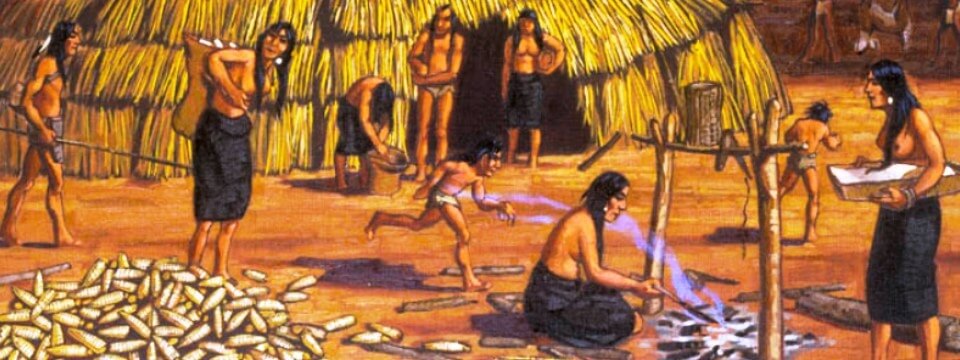
Indigenous presence
The Chitimacha Tribe of Louisiana has inhabited and around the Atchafalaya Basin for thousands of years and remains the only federally recognized tribe in Louisiana still residing on a portion of its ancestral homeland.