


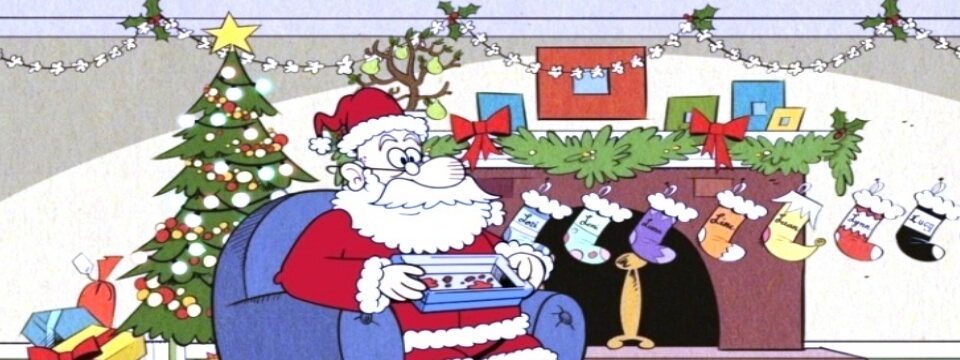
The legend of Santa Claus evolved over centuries, blending various traditions and figures from different cultures.
Here’s a brief overview of how Santa became the character we recognize today:
Saint Nicholas: The story starts with Saint Nicholas, a 4th-century Greek bishop known for his generosity. He became famous for performing miracles and secretly giving gifts, establishing the tradition of gift-giving on his feast day, December 6th.
Cultural Influences: Norse mythology in Northern Europe introduced figures like Odin, who flew through the sky on a horse during winter solstice celebrations, rewarding good children and punishing the naughty.
Dutch Influence: Dutch settlers brought “Sinterklaas,” the Dutch version of Saint Nicholas, to America in the 18th century, reinforcing the idea of a jolly gift-giver through festive parades.
Clement Clarke Moore’s Poem: In 1823, Moore’s poem “A Visit from St. Nicholas” (commonly known as “The Night Before Christmas“) shaped Santa’s image by introducing elements like his flying sleigh and reindeer, portraying him as jolly and plump.
Commercialization: The 20th century saw Christmas commercialization. In 1931, Coca-Cola commissioned artist Haddon Sundblom to create joyful images of Santa for advertisements, solidifying his cheerful, red-suited design.
Modern Santa: Today, Santa embodies the spirit of giving, taking center stage in global Christmas celebrations. This blend of history, culture, and marketing transformed Santa into the beloved figure we celebrate today.
How Santa Sleighed Father Christmas
Until now, we’ve overlooked Father Christmas. Once seen as separate figures, Santa Claus and Father Christmas merged in the 20th century to avoid confusion over two old men in robes spreading holiday cheer.
Father Christmas originated in medieval England as a personification of the festive season. This figure had no gift-giving ties and embodied hard drinking and wild revelry. During the Tudor and Stuart eras, revelers adopted whimsical titles like “the Christmas Lord.”
After ups and downs—Christmas was even banned under Cromwell—these traditions coalesced into Father Christmas. Writers like Charles Dickens popularized this jolly figure, synonymous with holiday joy.
As American Santa arrived in the UK in the 20th century, Father Christmas gradually merged with him, leading to their names becoming interchangeable today.
Shroom for One More?
Is that the entire Santa Claus story? Not quite. An alternative theory suggests that Santa’s saga may draw inspiration from magic mushrooms in the Arctic.
Some academics entertain this theory, linking Santa to ancient Shamanic rituals among the Sami people of Lapland. Author and mushroom expert Lawrence Millman notes that shamans would consume Amanita muscaria, a hallucinogenic fungus known to induce euphoria and flight.
Anthropologist John Rush explains that shamans collected and gifted Amanita muscaria during the winter solstice. Coupled with the significance of reindeer—which may appear to fly under mushroom influence—these ingredients contributed to Santa mythology, mixing with St. Nicholas folklore.
However, many historians argue this theory is as fanciful as a red-nosed reindeer. Ultimately, belief in Santa’s origins depends on personal interpretation. Just remember to steer clear of unusual mushrooms in your holiday cooking!