


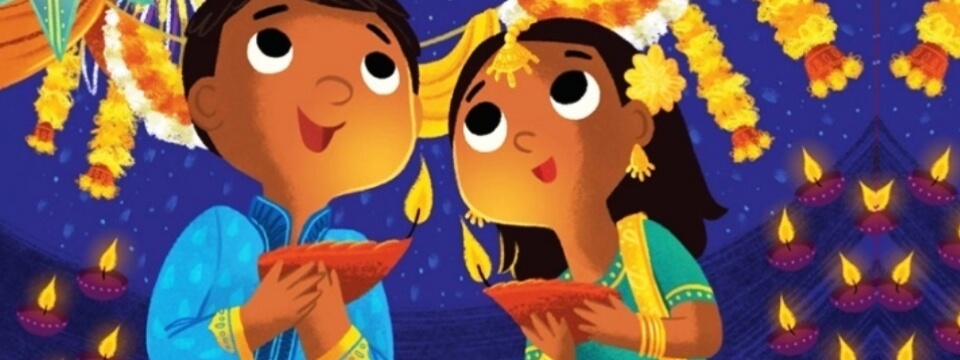
Diwali is a vibrant festival of lights, rich in history and significance, uniting people across cultures in celebration of hope and joy.
Diwali, celebrated as the most important annual holiday in India, brings joy to billions of people, primarily Hindus, around the globe each year. This vibrant festival symbolizes the triumph of light over darkness and good over evil. Let’s delve into its rich history and intriguing facts.
The Ever-Changing Festival of Light
Diwali spans five days, with the 2026 celebrations occurring from November 6 to November 11. The exact dates shift yearly, determined by the lunar calendar, typically falling in October or November. Each day of Diwali has a unique name and significance, steeped in ancient traditions.
The Stories and History Behind Diwali
While primarily a Hindu celebration, Diwali is also observed by Jains and Sikhs, each with its own customs and stories.
In one significant Hindu legend, Diwali marks the day when Lord Rama, his wife Sita, and his brother Lakshmana return home after fourteen years of exile. Villagers lit a path to welcome Rama back, a tradition that remains central to modern celebrations.
Another popular tale recounts how Lord Krishna defeated the demon Narakasura, liberating his kingdom. Following the victory, Krishna called for a day of festivities. In some regions, people burn effigies of the demon as part of the celebrations.
The Five Days of Diwali
Diwali is rich with traditions and superstitions. Two days prior to the main festival, many purchase metallic kitchen items, believing they bring good luck.
The Day before Diwali (Choti Diwali) serves as a preparatory day, filled with last-minute errands and family gift exchanges. This day often features creating rangoli, intricate floral and geometrical patterns crafted from colored powders, petals, and rice flour.
The Main Diwali Day is the highlight, beginning with evening prayers and the lighting of clay lamps, which symbolize the festival’s essence. Fireworks illuminate the night sky, adding to the celebratory atmosphere.
The Day After Diwali is more subdued, with varying customs across regions. In North India, for instance, people dedicate the morning to honoring their work tools.
The Final Day of Diwali is special for sisters who pray for their brothers’ well-being, receiving sweets in return.
Celebrating Diwali
In the weeks leading up to Diwali, communities engage in redecorating homes, buying new clothes, and sharing gifts. Festive dinner parties and food festivals heighten excitement, featuring a variety of drinks, finger foods, and lively music.
Top Facts About Diwali
Here are four fascinating facts about Diwali:
Occurs on a No-Moon Night: Diwali takes place during the Hindu lunar month of Karthik on Amavasya, or the moonless night. This choice enhances the brilliance of lights and fireworks, highlighting the theme of light conquering darkness.
Means “Row of Lights”: The name Diwali comes from the Sanskrit word meaning “row of lights.” This title signifies the festival’s core theme of illuminating darkness and celebrating goodness.
Celebration of Goddess Lakshmi: Lakshmi, the goddess of prosperity, is the festival’s principal deity. Many worship her during Diwali, seeking blessings of wealth, beauty, and fortune for themselves and loved ones.
A National Holiday in Eleven Countries: While Diwali is predominantly recognized as an Indian holiday, it holds significance in many countries. Beyond India, it’s an official holiday in Trinidad and Tobago, Fiji, Mauritius, Guyana, Malaysia, Singapore, Suriname, Nepal, Myanmar, and Sri Lanka.