Yes, the Vikings brought us Christmas.
Christmas, celebrated around the world on December 25th, warms our hearts as we honor the birth of Jesus Christ. However, delightful traditions that trace back to our pagan ancestors sprinkle the festival.
Long before Christianity reached the Nordic regions, the pagan Vikings and other ancient Germanic peoples celebrated the winter solstice during the month of December with great joy.
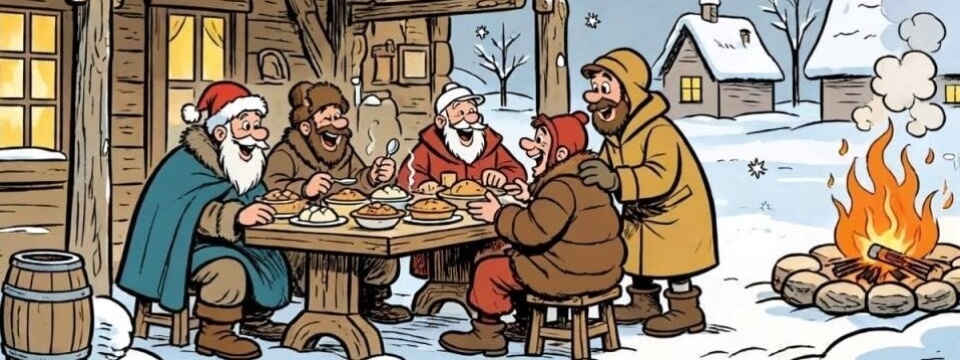
Embracing the longest nights and shortest days with gatherings of family and friends for a feast known as Yule.
As Christianity spread through Germanic Europe centuries ago, it lovingly adopted many Yuletide customs, blending them into the Christmas we cherish today.
Let’s explore some of the beloved Christmas traditions that we can thank the Vikings for!
Father Christmas
Imagine a bearded old man in a hat and cloak, riding across the wintry night sky on his eight-legged horse, Sleipnir. That’s Odin, the Norse god revered as the “father of all gods”! Many historians believe that our modern Father Christmas draws inspiration from Odin, bringing gifts and joy just like the ancient tales tell.
The Christmas Elf
Now, let’s talk about those charming elves we adore! The Norse mythology introduces us to the álfar, or “hidden people,” who were often described as tall, beautiful, and magical.
Our image of the short, cheeky elves in pointy hats comes from the nisse, a playful creature linked to the winter solstice.
Nisse resembled a garden gnome and were said to guard homesteads, assisting those who treated them kindly and causing mischief for those who didn’t. This mischievous nature might explain why today’s elves are often portrayed as playful helpers!
Christmas Trees
Picture a Viking, standing beneath a majestic evergreen, a tree they considered sacred to Balder, the sun god. These evergreens symbolized hope and renewal, reminding everyone that spring would eventually come, even during the cold, dark winters.
Festive Wreaths
Originally crafted by the Romans to symbolize victory, wreaths transitioned beautifully into our holiday traditions through Yule. Just like the evergreens, wreaths made from plants like holly were brought into homes as warm reminders of brighter days ahead, providing comfort during the chilly northern winters.
The Vikings also celebrated with a “sunwheel,” a burning wheel rolled down a hill, hoping to coax back the sun—how lovely!
Mistletoe
In a magical Norse tale, Odin’s son Balder faced a prophecy of doom. His mother, Frigg, made sure to secure oaths from every creature not to harm him. But she overlooked the humble mistletoe, which Loki, the trickster god, cleverly used to craft an arrow. Balder’s fate changed because of it!
In one version, Frigg’s tears turned the mistletoe white and brought her son back to life. Making it a symbol of love, renewal, and peace. To this day, she promises kisses to anyone who stands beneath it—a beautiful tradition of affection!
The 12 Days of Christmas
Long before we sang about partridges and turtle doves, the ancient Norse happily celebrated their midwinter festival of Yule for a full twelve days, starting on the winter solstice. These joyful festivities inspired the modern tradition we now enjoy as the 12 Days of Christmas.
The Vikings gifted us with a heartwarming legacy of customs that continue to enrich our Christmas celebrations, weaving ancient traditions into the warm, joyful spirit we hold dear today.
Christmas Ham
You’ll find a delicious ham on most Christmas tables during the festive season. We have the Norse to thank for this tasty tradition! For the Vikings and ancient Germanic folks, feasting was a heartfelt way to honor their gods.
One special ritual involved sacrificing a wild boar to the Norse god Freyr, hoping for a bountiful harvest in the coming year. This boar became the star of their celebrations, much like the Christmas ham that brings joy to our tables today.
Yule Log
In Nordic tradition, families would choose a special log for the Yule celebration. They would bring it into the home with great care and burn it on the hearth, creating a warm, inviting atmosphere.
To keep the spirit alive, they saved part of the log to protect the home and use as kindling for the next year’s Yule log.
While this lovely custom still thrives around the world, it has also transformed into a delightful culinary treat, with many people savoring a chocolate Yule log as a sweet centerpiece for their Christmas gatherings.