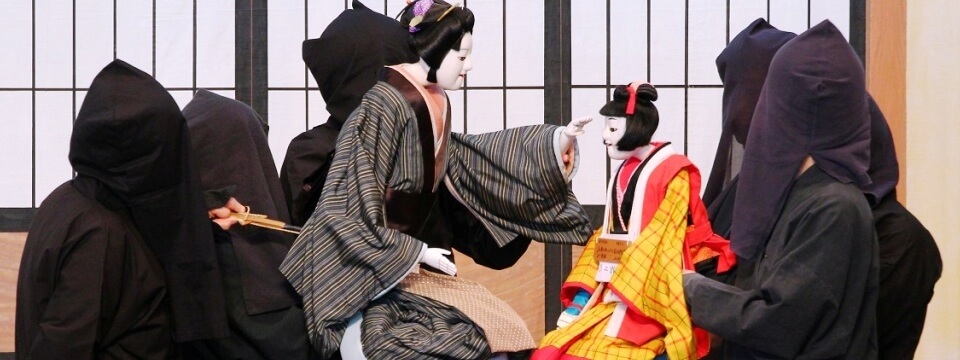
Japanese drama represents the traditional theater of Japan, with its oldest form, Nōh drama, evolving from religious dancing in the 16th century.
This mystical performance adheres to strict conventions, where actors don masks and execute symbolic movements and gestures, all accompanied by music and dance.
Jōruri, which flourished in the 17th and 18th centuries, features puppets as its actors. Kabuki, now the most popular form of Japanese drama, emerged by replacing Jōruri and incorporating techniques from both Nōh and Jōruri.
Kabuki is known for its violent melodrama, exotic makeup and costumes, spectacular scenery, and exaggerated acting style. All three traditional forms continue to thrive alongside modern Western-style drama.
Western-style Japanese drama, or “J-drama,” is a modern and distinct genre of television programming that originates from Japan.
It captivates audiences with diverse storytelling, rich cultural contexts, and emotional depth. Typically consisting of 10 to 12 episodes, J-dramas tackle themes such as romance, family dynamics, mystery, and social issues.
These dramas excel in character development and engaging plotlines, blending humor with heartfelt moments. High production quality showcases unique cinematography and soundtracks that elevate the viewing experience.
Reflecting Japanese culture and societal norms, J-dramas incorporate traditional values alongside contemporary issues, making them both relatable and uniquely Japanese. Many popular titles resonate with audiences both in Japan and abroad, resulting in a rapidly growing international fan base.