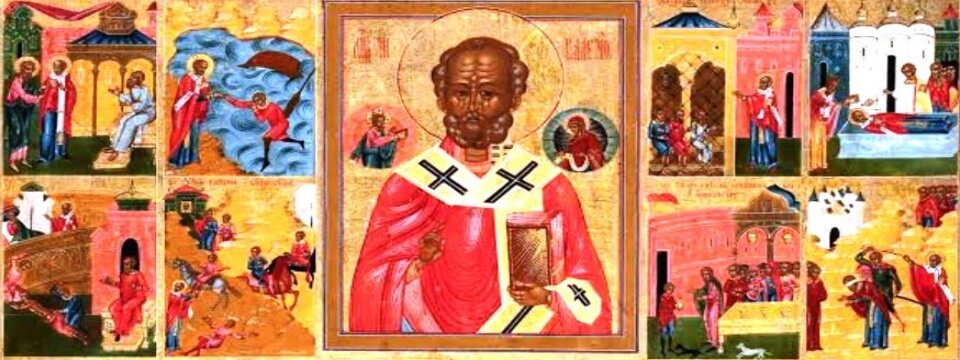
Icons represent the living tradition of symbolism. The Eastern Orthodox Church uses icons as religious paintings. They usually depict figures of Christ or saints. Artists painted icons on wooden panels with such subjects in Byzantine art. Later, craftsmen often adorned metal with ornamental jewels and sometimes gold plate.
Cultures and periods influence paint variations. The most common medium is egg tempera, a mix of egg yolk and natural pigments, with artists applying colors from dark to light. Colors convey symbolic meanings.
The halo denotes holiness, indicating that the figure resides in paradise. Christian artists adopted it in the third century, with different origins across cultures.
Russia became the great center of icon production, although Greek (Byzantine) artists often created the early Russian icons. In the icons of Eastern Orthodoxy and the Early Medieval West, little artistic license is allowed.
Almost everything within the image conveys a symbolic aspect. Christ, the saints, and the angels all wear halos. Angels (and often John the Baptist) possess wings because they act as messengers. Figures maintain consistent facial appearances, hold attributes personal to them, and adopt a few conventional poses.
Color also plays an important role. Gold represents the radiance of Heaven; red signifies divine life. Blue symbolizes human life, while white represents the uncreated essence of God, exclusively used for the resurrection and transfiguration of Christ.
If you observe icons of Jesus and Mary: Jesus wears a red undergarment with a blue outer garment (God becoming Human), and Mary wears a blue undergarment with a red overgarment (human receiving gifts from God), thus icons convey the doctrine of deification. Letters also serve as symbols. Most icons incorporate calligraphic text naming the person or event depicted. Even this often appears in a stylized manner.
In later Western depictions, much of the symbolism survives, although artists exercise far less consistency. Artistic license grants painters much more freedom over their depictions. Examples of this style abound. Yet, despite Michelangelo’s imagination and brilliance in the Sistine Chapel, viewers can easily identify the depicted saint because the traditional attributes and appearance of Peter remain present.
An icon is an image of a holy person or event created by an iconographer who adheres to the strict standards of the Orthodox Church. Icons vary in size from very small (for home use) to very large (for cathedrals). People do not worship icons but rather venerate and use them in prayer. Traditionally unsigned, icons serve as a window or portal into a divine realm.
Iconography represents a living tradition, and artists still paint icons today using traditional, centuries-old techniques and styles. An icon consists of a complex set of interwoven symbols that have evolved over centuries to form a refined and sophisticated visual language.
When reading an icon, colors, clothing, hairstyles, gestures, and objects the subject holds all provide insight into what the iconographer intended to convey.