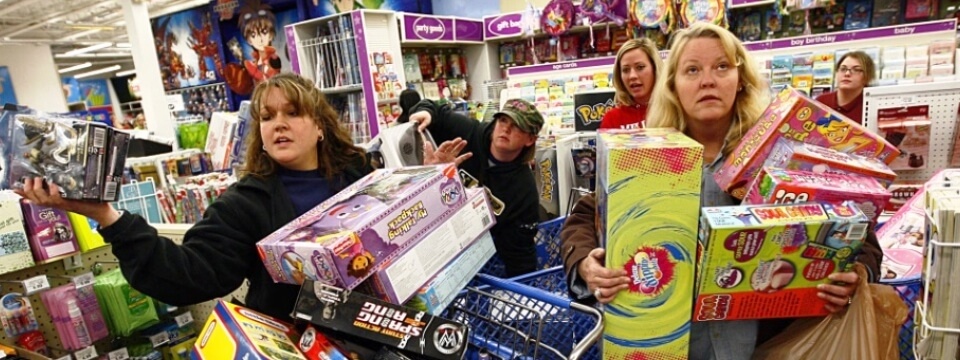
Every November, the internet comes alive with excitement over discount codes and limited-time offers, turning shopping into a vibrant spectacle.
The Rise of Black Friday
Retailers enthusiastically promote “90 percent off!” like cheerleaders rallying for a big game, while influencers proudly display their impressive hauls of quirky finds.
Many of us take on the role of enthusiastic bargain hunters, defending the toasters or gadgets we scored at half price.
While Black Friday might feel like a recent creation of consumer culture, its history is actually much older, quirkier, and less glamorous than those flashy ads let on.
The Misleading Origins
In its early days, “Black Friday” didn’t symbolize shopping joy but rather captured the worries of accountants and city officials in 19th-century America.
It all started on September 24, 1869, when financiers Jay Gould and James Fisk launched a risky gold-buying scheme, crashing the stock market.
Papers labeled that day “Black Friday” because it left the economy gasping for air. For years, the term was more about financial panic than consumer excitement.
The Post-Thanksgiving Chaos
The retail connection to Black Friday emerged a bit later, and it certainly wasn’t pretty. In the 1950s and 1960s, Philadelphia police dubbed the day after Thanksgiving “Black Friday” because the city faced major chaos.
Suburban crowds flocked in for the Army-Navy football game, leading to traffic jams, increased shoplifting, and a level of disorder that made officers dread their shifts.
Retail workers picked up the term, not because sales were booming, but because everything else felt like it was falling apart.
The Great PR Makeover
In the 1980s, American retailers worked to change Black Friday’s gloomy image. They re-branded the day, suggesting it was when stores finally “went into the black,” meaning they became profitable for the year.
This neat and appealing story caught on, even though historians point out it wasn’t the original meaning. In the end, clever public relations helped reshape how people viewed the day, especially in the U.S.
The Global Export
What started as a local inconvenience blossomed into a worldwide celebration of deals as e-commerce made global shopping easier and more enjoyable.
Online retailers embraced the Black Friday concept, transforming it into a global tradition. Countries like India, the UK, the Middle East, and Southeast Asia all joined in this annual festival of discounts.
It even evolved beyond a single day, giving rise to Cyber Monday, followed by week-long and month-long sales, plus “early access” events starting well before the holiday season begins. Capitalism loves to fill a gap, and so Black Friday has turned into an entire season of savings!
Why It Still Matters
Today, Black Friday continues to thrive because it resonates with a universal truth: savings often feel elusive unless we purchase things we may not really need.
Retailers understand human nature deeply, often even better than we do. People crave that sense of victory, even if the prize is a discounted item that eventually ends up tucked away.
Black Friday has become a ritual of hope, excitement, and the modern drive to participate in a global event—no matter how much it revolves around overflowing shopping carts!